What is Spleen Removal Surgery?
Spleen removal surgery, also called splenectomy, is a procedure where doctors take out the spleen. The spleen is an organ in the upper left side of your belly. It helps fight infections and filters blood. Sometimes, doctors need to remove it to protect your health. Although the spleen is helpful, you can live without it. Other parts of your body can take over its job. For this reason, spleen removal surgery is safe when done for the right reasons.
Why is Spleen Removal Surgery Needed?
Doctors may suggest spleen removal surgery for several reasons. Often, it is needed when the spleen is damaged or not working right. Here are some common causes:
Sometimes, doctors may also remove the spleen to help diagnose certain diseases. In every case, your doctor will explain why spleen removal surgery is the best choice for you.
How is Spleen Removal Surgery Performed?
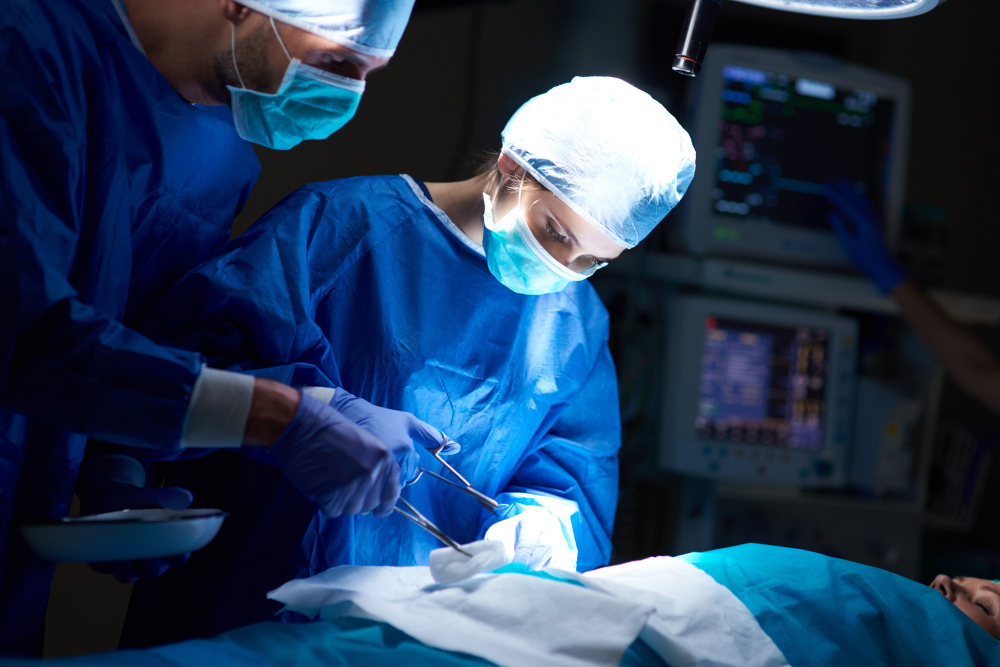
Spleen removal surgery can be done in two main ways. The choice depends on your health and the reason for surgery.
Before surgery, you may need vaccines to protect against infections. During the procedure, you will get medicine to help you sleep and feel no pain. After surgery, you will stay in the hospital for a short time. Your doctor will watch you closely to make sure you recover well.
Risks and Complications
Like any surgery, spleen removal surgery has some risks. However, most people recover without major problems. Possible risks include:
Doctors take steps to lower these risks. For example, you may get antibiotics or vaccines before and after surgery. If you notice fever, pain, or swelling after surgery, tell your doctor right away. Early care can prevent serious problems.
Recovery and Aftercare
After spleen removal surgery, recovery time depends on the type of procedure. With laparoscopic surgery, you may go home in a few days. Open surgery may require a longer stay. Here is what to expect during recovery:
Because the spleen helps fight infections, you will need to be extra careful. Your doctor may suggest vaccines and regular check-ups. With proper care, most people return to normal life soon after surgery.
Prevention and Health Tips
After spleen removal, you can stay healthy by following some simple tips. These steps help lower your risk of infection and keep you feeling well:
With these steps, you can lead a healthy and active life even without a spleen. Your doctor will guide you on the best ways to protect your health.
For personalised advice on spleen removal surgery, consult Dr. Satish Yeddula. He can answer your questions and help you make the best choices for your health.