Introduction to Bariatric Surgery
Bariatric surgery is a medical procedure that helps people lose weight. Many people struggle with obesity, and sometimes diet and exercise are not enough. In such cases, bariatric surgery can be an option. This guide will explain what bariatric surgery is, who can get it, and what to expect. We will also answer common questions and share tips for a healthy recovery.
What is Bariatric Surgery?
Bariatric surgery is a group of operations that help people lose weight by changing the digestive system. These surgeries make the stomach smaller or change how food is absorbed. As a result, people feel full sooner and eat less. According to the CDC, bariatric surgery can help people with severe obesity lose weight and improve health.
Who is a Candidate for Bariatric Surgery?
Not everyone can have bariatric surgery. Doctors use certain rules to decide who qualifies. Usually, you may be a candidate if:
However, each person is different. Therefore, a doctor will check your health and talk with you about your options.
Common Types of Bariatric Surgery
There are several types of bariatric surgery. Each works in a different way. Here are the most common types:
Your doctor will help you choose the best type for your needs.
Benefits and Risks
Bariatric surgery offers many benefits. For example, it can help you lose a lot of weight. It may also lower your risk of heart disease, diabetes, and sleep apnea. In addition, many people feel more active and confident after surgery.
However, there are risks too. Like any surgery, there can be problems such as infection or bleeding. Some people may have trouble absorbing vitamins and minerals. Therefore, you will need regular check-ups after surgery. According to the World Health Organization, the benefits often outweigh the risks for people with severe obesity.
The Bariatric Surgery Process
Preparation
Before surgery, you will meet with a team of doctors, nurses, and dietitians. They will check your health, review your medical history, and explain what to expect. You may need to lose some weight before surgery. This helps lower the risk of problems.
Procedure
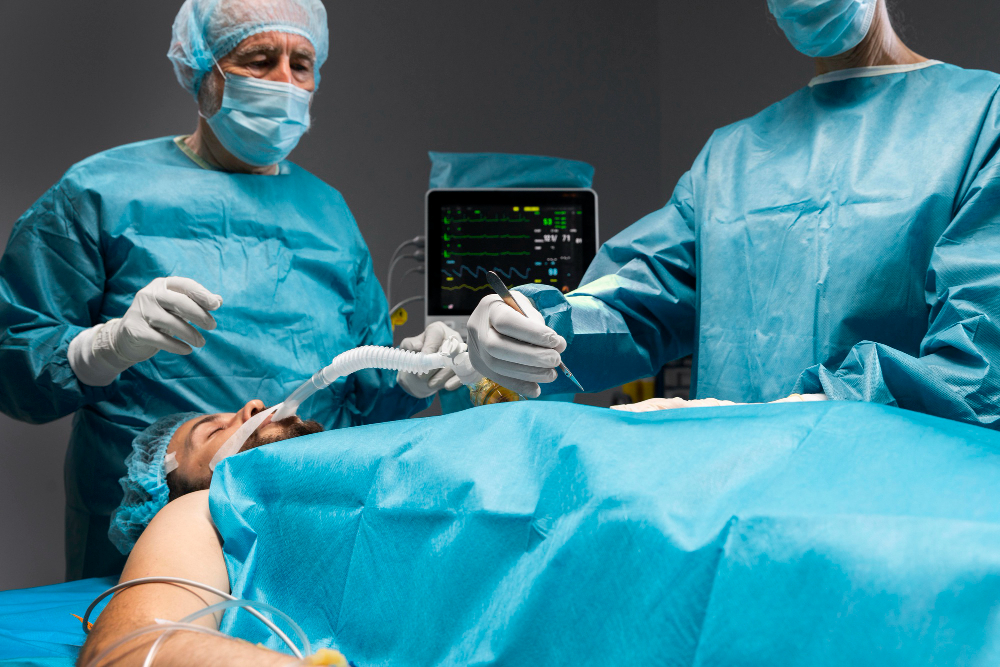
Most bariatric surgeries are done using small cuts and a camera. This is called minimally invasive surgery. The operation usually takes a few hours. You will be asleep during the procedure.
Recovery
After surgery, you will stay in the hospital for a few days. You will start with liquids and slowly add soft foods. Most people return to normal activities in two to four weeks. However, you must follow your doctor’s advice closely.
Lifestyle Changes After Surgery
Bariatric surgery is not a quick fix. You will need to make lasting changes to your eating and exercise habits. For example, you will eat smaller meals and chew food well. You may need to take vitamins every day. In addition, regular physical activity is important to keep the weight off.
Prevention of Weight Regain
Some people may gain weight again after surgery. However, you can lower this risk by:
With the right habits, you can keep the weight off for good.
Frequently Asked Questions
For more information, visit trusted sources like the CDC or WHO.
Consult a specialist for personalized guidance on bariatric surgery.