Are you considering minimally invasive hernia surgery? Many people face the choice between robotic vs. laparoscopic hernia repair. Both methods use small cuts and special tools to fix hernias. However, each approach has unique features. Choosing the right one can affect your recovery and results. In this blog, we will explain what these surgeries are, how they differ, and what you should know before making a decision.
What Is Minimally Invasive Hernia Repair?
Minimally invasive hernia repair uses small cuts instead of one large cut. Surgeons use thin tools and a camera to see inside your body. As a result, you may have less pain, a shorter hospital stay, and a quicker return to normal life. This type of surgery is now common for many hernia repairs. According to the CDC, minimally invasive surgery often leads to fewer problems after surgery compared to open surgery.
Overview of Laparoscopic Hernia Repair
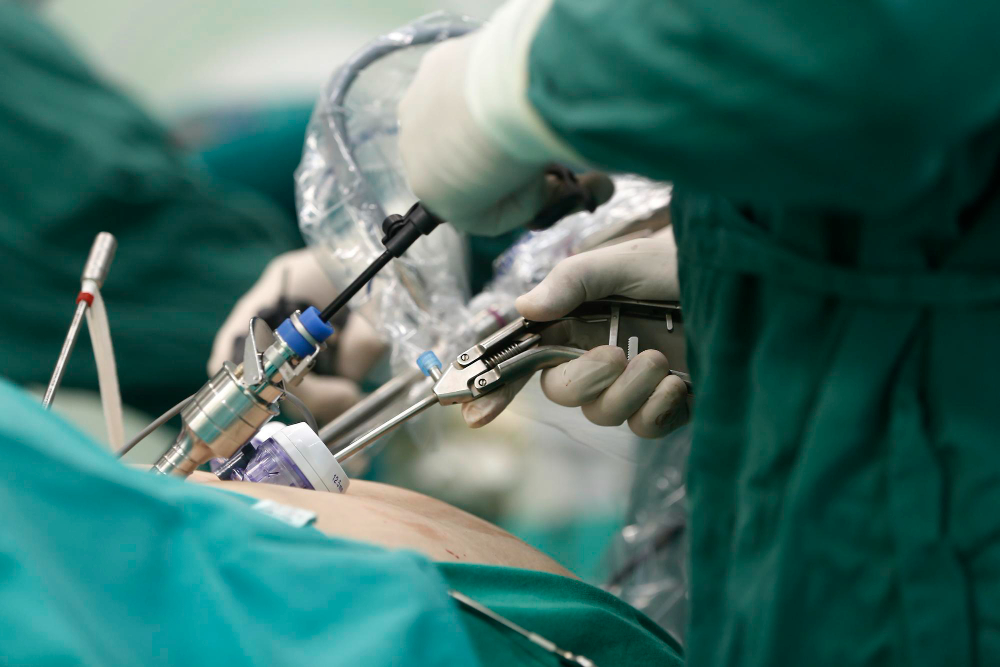
Laparoscopic hernia repair is a well-known method. In this surgery, the doctor makes a few small cuts in your belly. Next, a thin tube with a camera (called a laparoscope) goes through one cut. Special tools go through the other cuts. The surgeon watches a screen to guide the tools and fix the hernia. Many hospitals offer this type of minimally invasive hernia surgery.
Overview of Robotic Hernia Repair
Robotic hernia repair is a newer option. In this method, the surgeon uses a robot system to control the tools. The robot does not work alone. Instead, the doctor sits at a console and moves the robot’s arms. The camera gives a 3D view, which helps the surgeon see details. Some hospitals, especially in large cities, now offer robotic hernia repair for certain patients.
Key Differences: Robotic vs. Laparoscopic Hernia Repair
Benefits and Risks of Each Approach
Benefits of Laparoscopic Hernia Repair
Risks of Laparoscopic Hernia Repair
Benefits of Robotic Hernia Repair
Risks of Robotic Hernia Repair
Who Is a Candidate for Each Procedure?
Not everyone is a good fit for both types of surgery. For example, people with small or simple hernias often do well with laparoscopic repair. On the other hand, those with larger or more complex hernias may benefit from robotic surgery. Your age, health, and past surgeries also matter. Therefore, your doctor will review your case and suggest the best option for you.
Recovery and Expected Outcomes
Both surgeries aim for a quick recovery. Most people go home the same day or the next day. You may return to light activities within a week. However, heavy lifting should wait for a few weeks. Studies show that both methods have similar success rates. Still, robotic hernia repair may offer less pain and a faster return to normal for some people. Always follow your doctor’s advice for the best results.
How to Choose the Right Option for You
Choosing between robotic and laparoscopic hernia repair depends on several factors. Consider these points:
Above all, talk with a qualified surgeon. They can explain the difference between robotic and laparoscopic hernia surgery in simple terms. Together, you can decide which option fits your needs best.
Conclusion: Minimally invasive hernia surgery offers many benefits. Both robotic and laparoscopic hernia repair are safe and effective. However, the right choice depends on your unique situation. Consult a qualified surgeon to discuss which minimally invasive hernia repair option is best for your needs.