What is Advanced Colorectal Surgery?
Advanced colorectal surgery treats problems in the colon or rectum. These surgeries help with conditions like cancer, polyps, or severe inflammation. Often, doctors use new techniques, such as minimally invasive colorectal surgery, to improve results. Because of these advances, many people recover faster and have fewer risks. This guide explains what you can expect from diagnosis to recovery.
Common Symptoms and When to Seek Help
It is important to notice early signs of colorectal problems. While some symptoms may seem mild, they can point to serious issues. If you notice any of the following, talk to your doctor soon:
Sometimes, these symptoms may not mean cancer. However, early care can help prevent bigger problems later.
Causes and Risk Factors
Many things can lead to the need for advanced colorectal surgery. For example, colorectal cancer is a common cause. Other reasons include large polyps, Crohn’s disease, or ulcerative colitis. Some risk factors make these problems more likely:
Because some risks can be changed, healthy habits may help lower your chances.
Diagnosis: Tests and Procedures
Doctors use several tests to find out what is wrong. First, they may ask about your symptoms and medical history. Next, they might order tests such as:
Because early diagnosis helps, do not delay if you have symptoms.
Treatment Options and Surgical Techniques
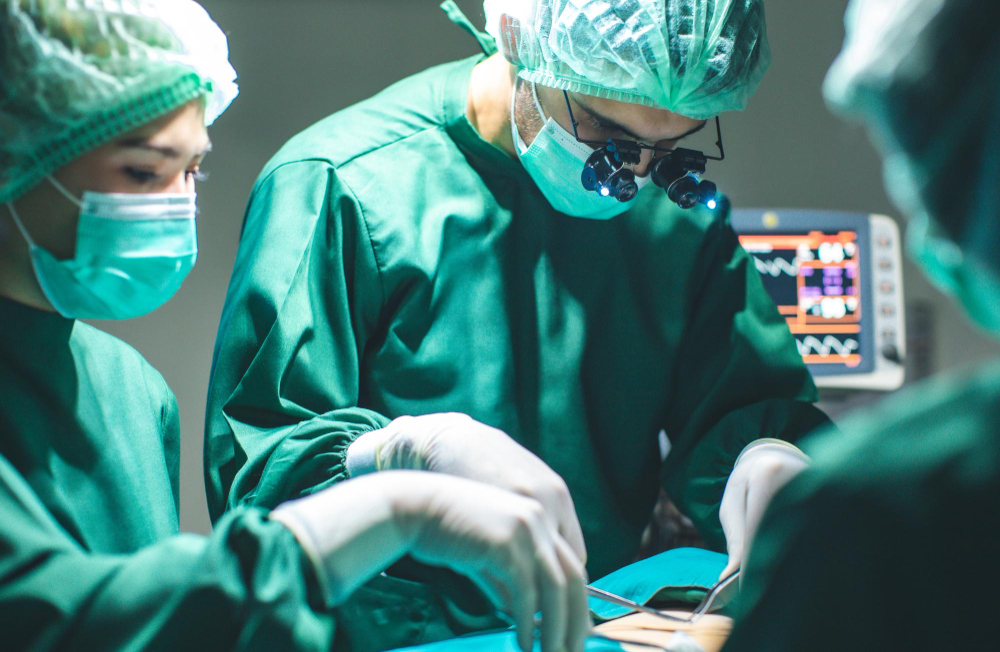
Doctors choose the best treatment based on your condition. Sometimes, surgery is the main option. There are different types of advanced colorectal surgery:
Often, minimally invasive surgery means less pain and a quicker recovery. Your doctor will explain which method is best for you.
What to Expect: The Surgical Process
Before surgery, your doctor will give you clear instructions. For example, you may need to stop eating or drinking for a short time. You might also need to take special medicine to clean your bowel. On the day of surgery, you will get anesthesia so you do not feel pain. After the procedure, you will stay in the hospital for a few days. Nurses and doctors will watch you closely to make sure you are healing well.
Recovery and Aftercare Tips
Recovery after advanced colorectal surgery takes time. However, there are ways to help your body heal:
Because every person heals differently, talk to your care team if you have concerns.
Lifestyle Guidance and Prevention
After surgery, healthy habits can support your recovery and help prevent future problems. For instance, you can:
Because prevention is key, these steps can make a big difference in your long-term health.
Frequently Asked Questions
Consult a specialist for personalized guidance on advanced colorectal surgery.